
Choose your challenge:
Select the specific retail or packaging headache you’re facing to explore curated insights
01. Lost on shelf
Strategic POV #1
Build memory structures
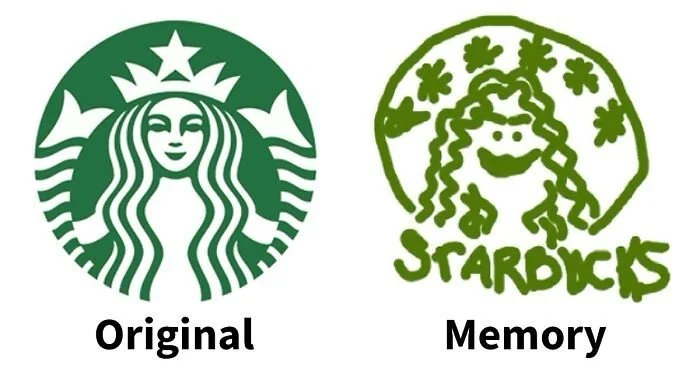
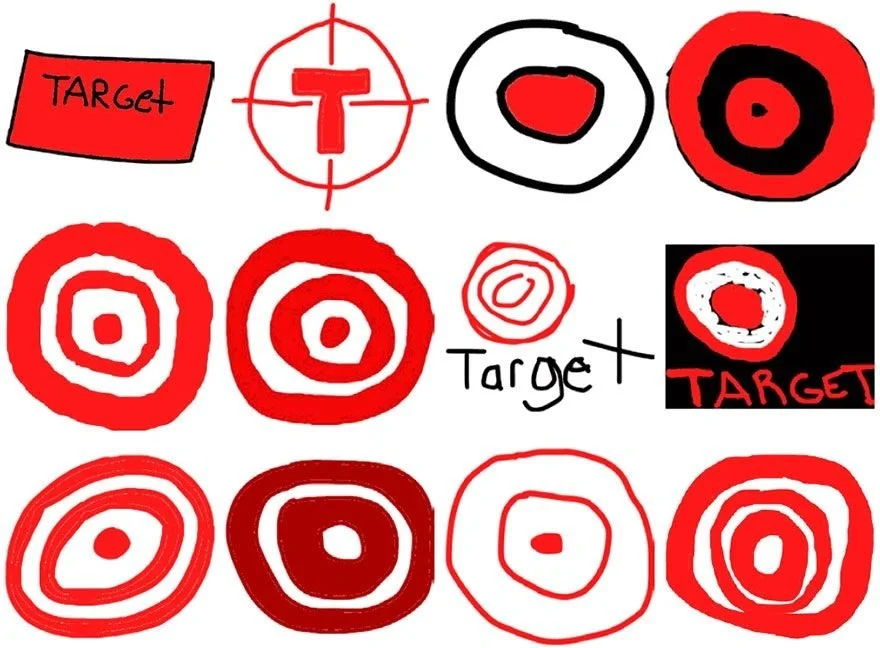
How accurately can you draw a logo from memory? Our brains are amazing, but they can be fuzzy when it comes to brand recall.
Our brains break down images into elements like color, shape, and words. These elements are then stored in different parts of the brain
When we try to recall a logo, we're essentially piecing together a puzzle. Our memory isn't perfect
Over time, details can fade, and our brains may fill in the gaps that might not be true. This is why we can confuse logos or misremember details
Want a logo that sticks? Understanding the psychology of memory is key
Color: Color is powerful. They evoke emotions and can enhance brand recall
Shape: Simple, iconic shapes are easier to remember. Think of the Nike swoosh or the McDonald's arches
Typography: The font you choose can impact readability and memorability. Script is hard to read, for example
The brands we interact with everyday and have known for years can be hazy in our brains
Imagine how much harder a non legacy brand has to work
Strategic POV #2
Designing for habit formation
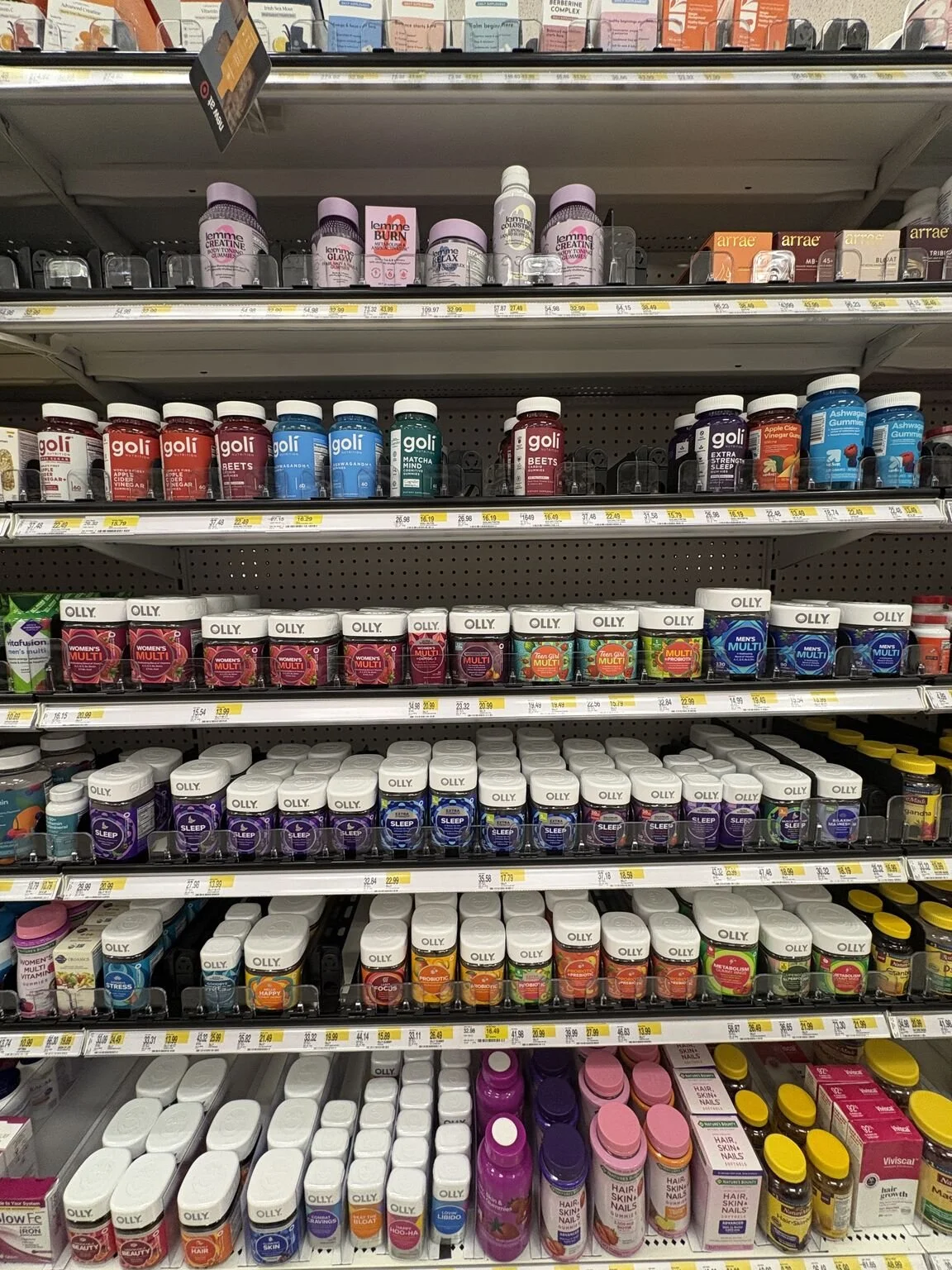
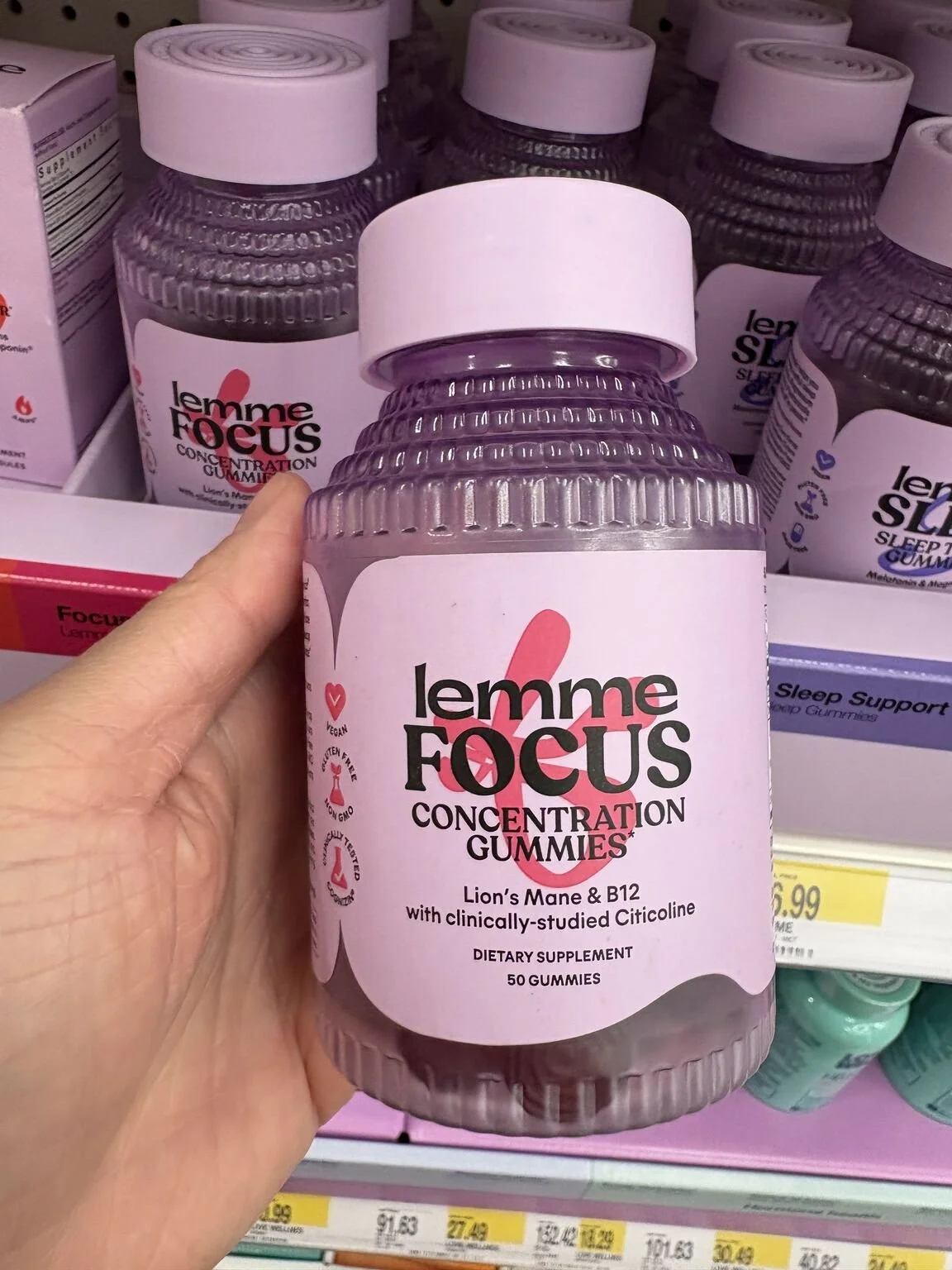
What are consumers buying: efficacy or ritual? The supplement aisle used to be a battlefield for clinical data but no one is winning lately just by listing more ingredients and benefits
Clinical white bottles are gone and brands like Goli, AG1, and Olly are dominating because they understand an interesting truth about human behavior: If a health habit feels like a chore, it’s not going to last long enough to make a real change
To survive, a chore has to turn into a ritual. Kind of like how we buy a gym membership and feel good about it for the first week- but it’s useless if we don’t keep going
A generic pill from a plain plastic bottle feels like an obligation. It gets shoved into a dark cabinet and forgotten
But put it in a fun vibrant container, and it might sit out on your desk, which moves the mental story away from clinical to lifestlye
Consumers want efficacy-yes. But they also want something that’s easier to make a part of their routine
As brand builders, we tend to default to trying to win the information war when it comes to packaging. But the hardest part might not be trying to convince a consumer on the “why”
It might be about making it easier to sustain the habit
I mean look at what Gruns did with it’s gummy format- whoever turns the chore into a ritual wins the category
Strategic POV #3
Optimize for the shelf, not the presentation deck
Let's talk butts... packaging butts, that is!
It's a quirk of retail merchandising– when the "butt" of your packaging becomes the unexpected hero
Usually due to:
- shelf orientation
- limited space
- how retailers optimize product visibility
Examples that come to mind- and how to design for it are categories like beverage and bread
✅ Keep shelf flexibility in mind
Think about how packaging looks from all angles
Is there a clear visual hierarchy, even from the sides?
✅ Strategic placement of key information
While the main selling points should be on the intended front, make sure secondary panels still communicate key info
✅ Brand consistency is key
Regardless of which panel faces forward, ensure branding is consistent on all sides for instant recognition
Understanding the different contexts of retail shelving can be a strategic branding opportunity to making sure packaging is impactful from every angle
02. Shoppers can’t navigate it
Strategic POV #4
Clear navigation without an overhaul
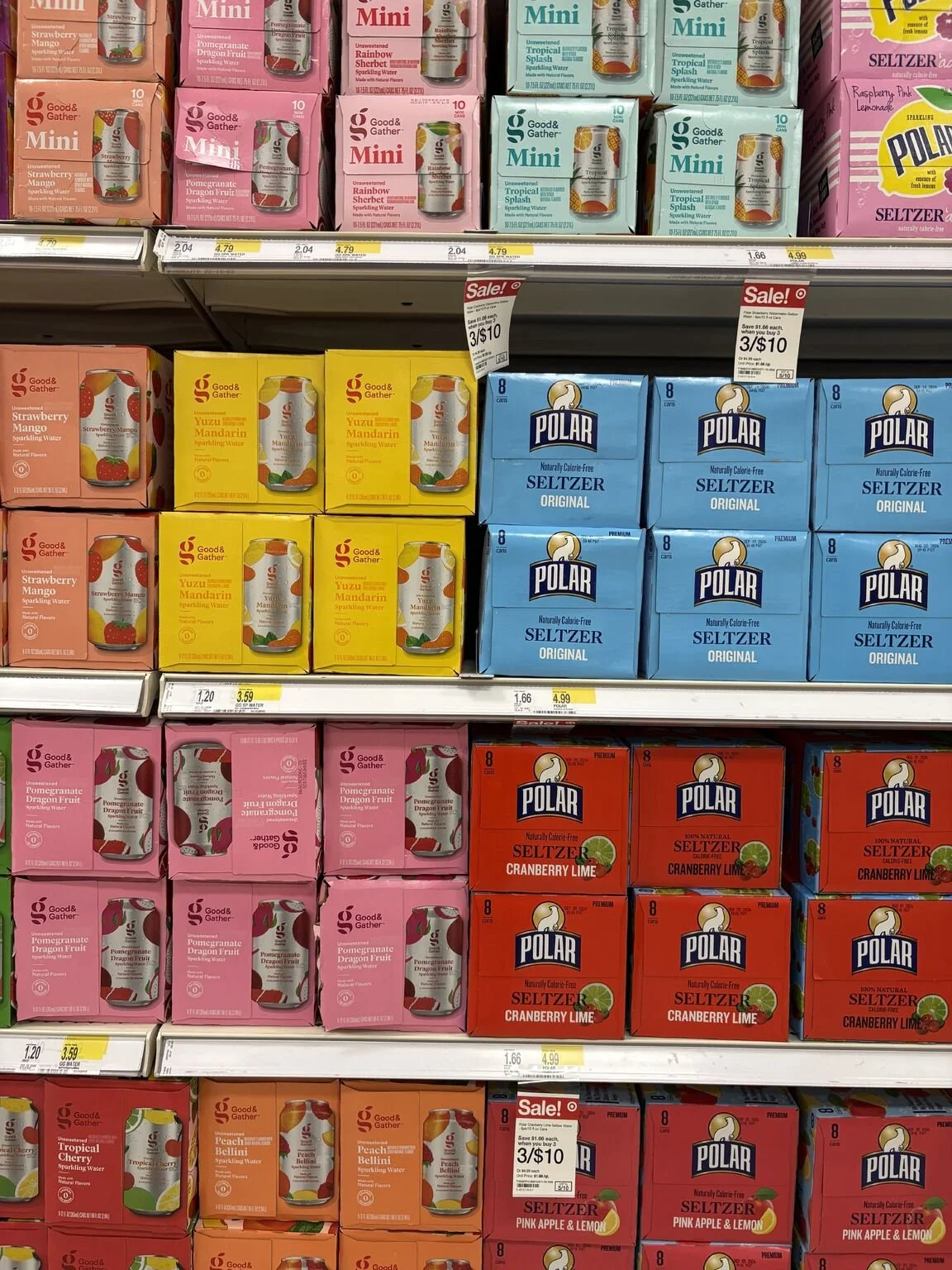
Is your packaging built for a single product or a portfolio that grows? The best brands don't just have a great package- they have a great cohesive SYSTEM
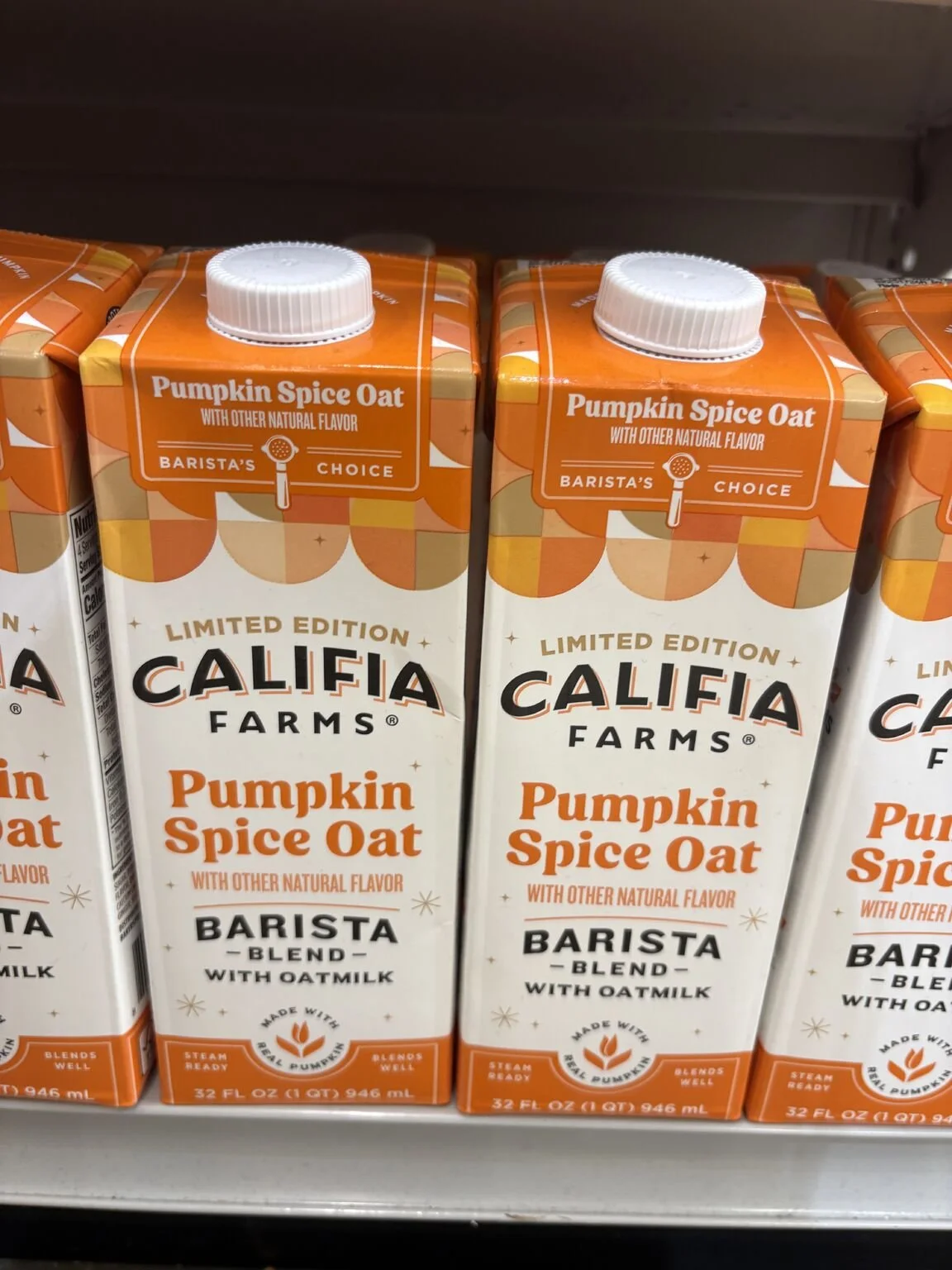
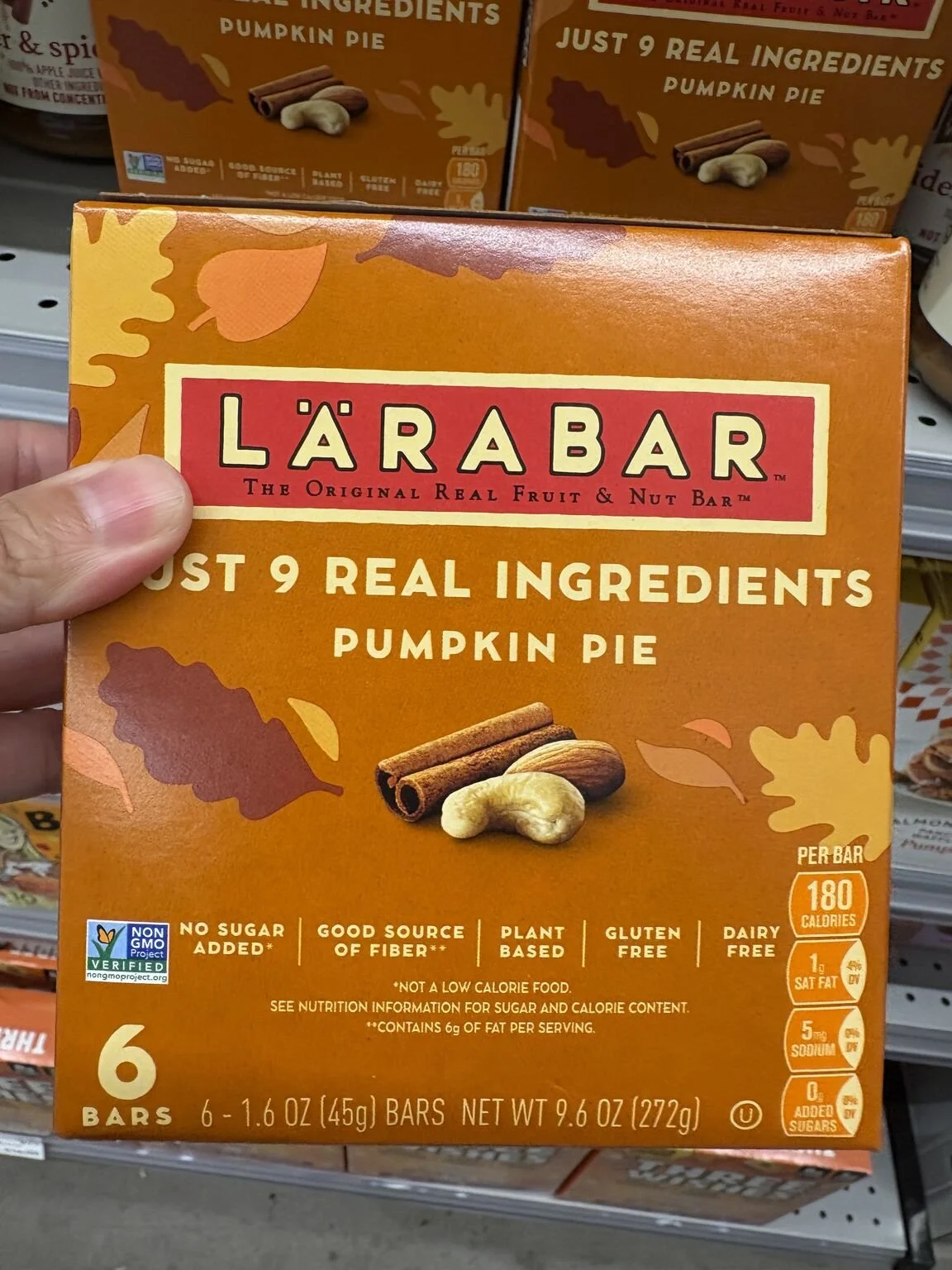
It’s a strategic approach (aka pack architecture) that helps a brand play with seasonal design without losing its identity
Thinking longterm when building out your portfolio means a foundation that prevents brand confusion and futureproofs your entire product line.
When every new SKU fits into a framework, launching LTOs get faster and more efficient. With efficiency, you reinforce brand equity
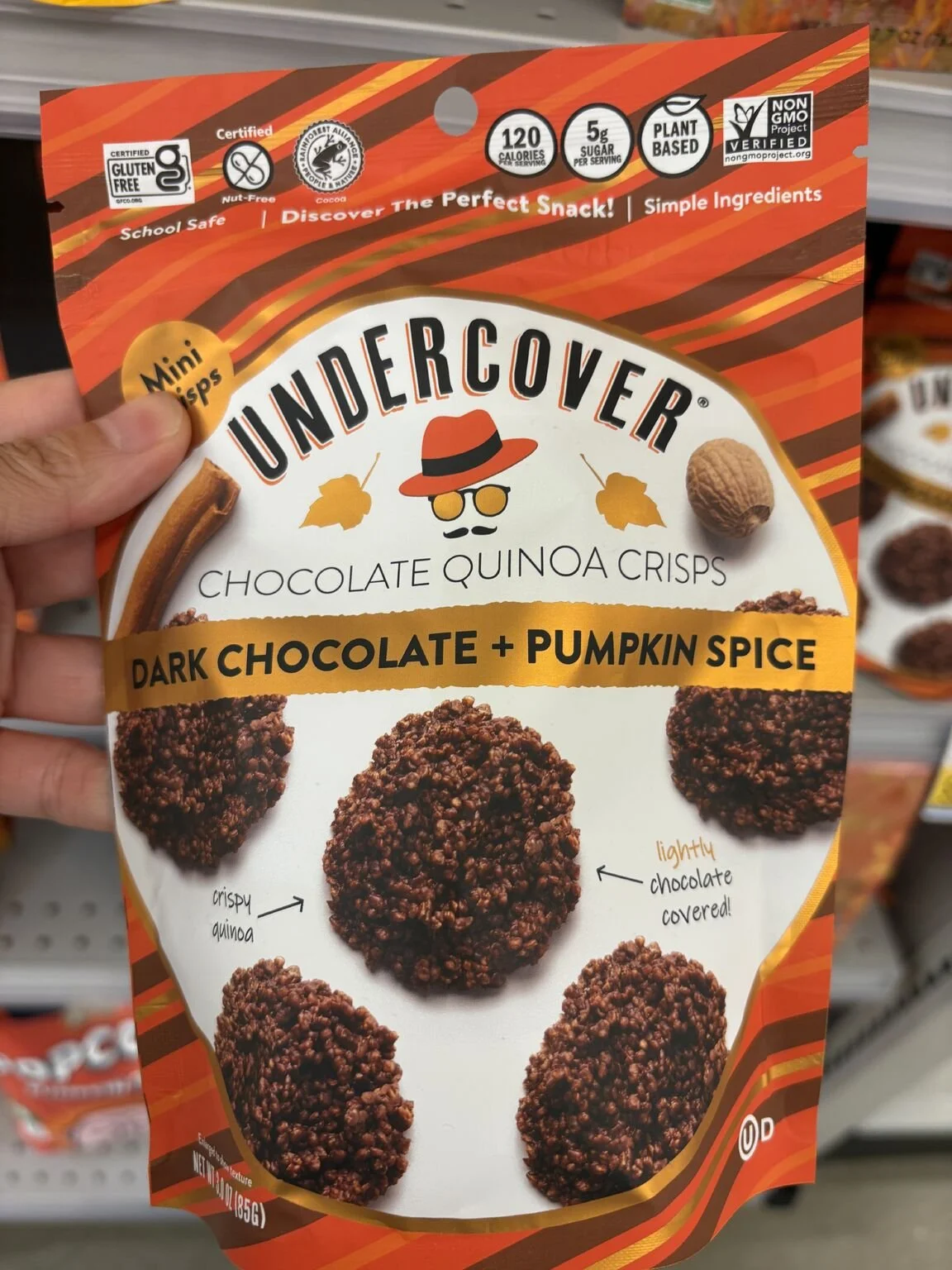
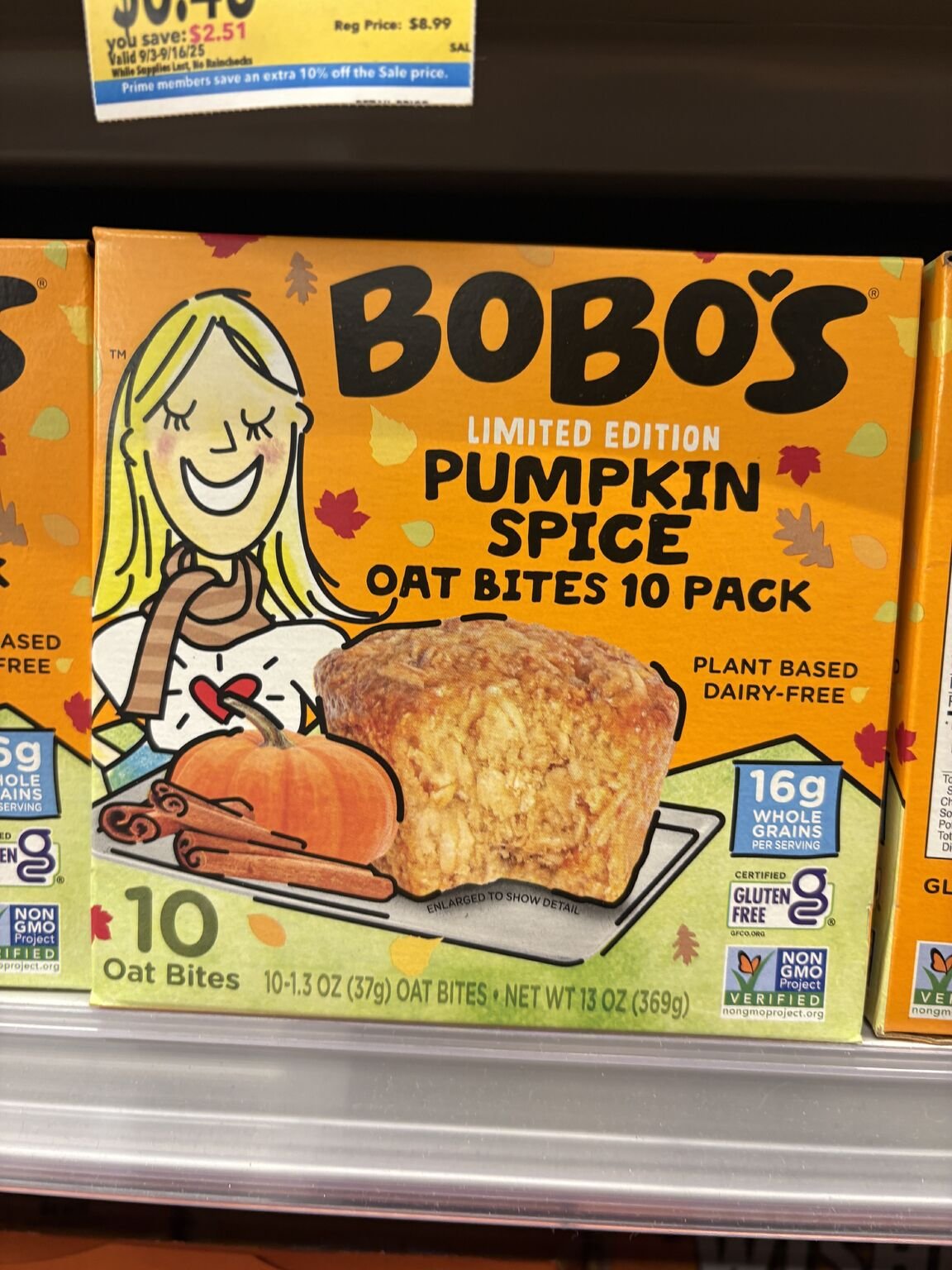
The goal of great seasonal packaging is to look like a festive version of yourself. Consider brands that do it well through a consistent architecture:
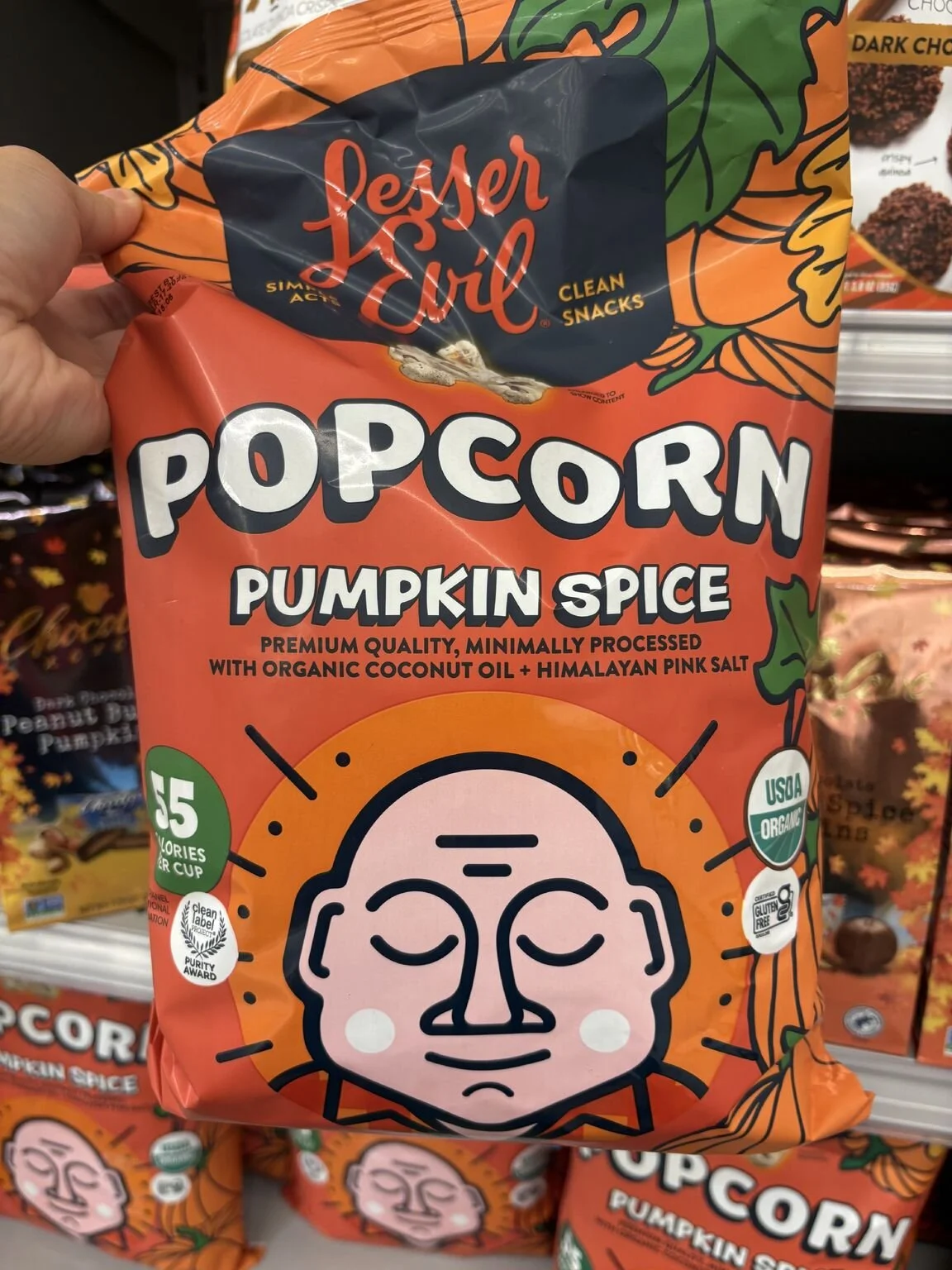
🍁 LesserEvil Brand Snack Co.
They’re using orange to signal flavor but kept homer at front, thinking about pumpkin nirvana! Love the playfulness and feels very on brand
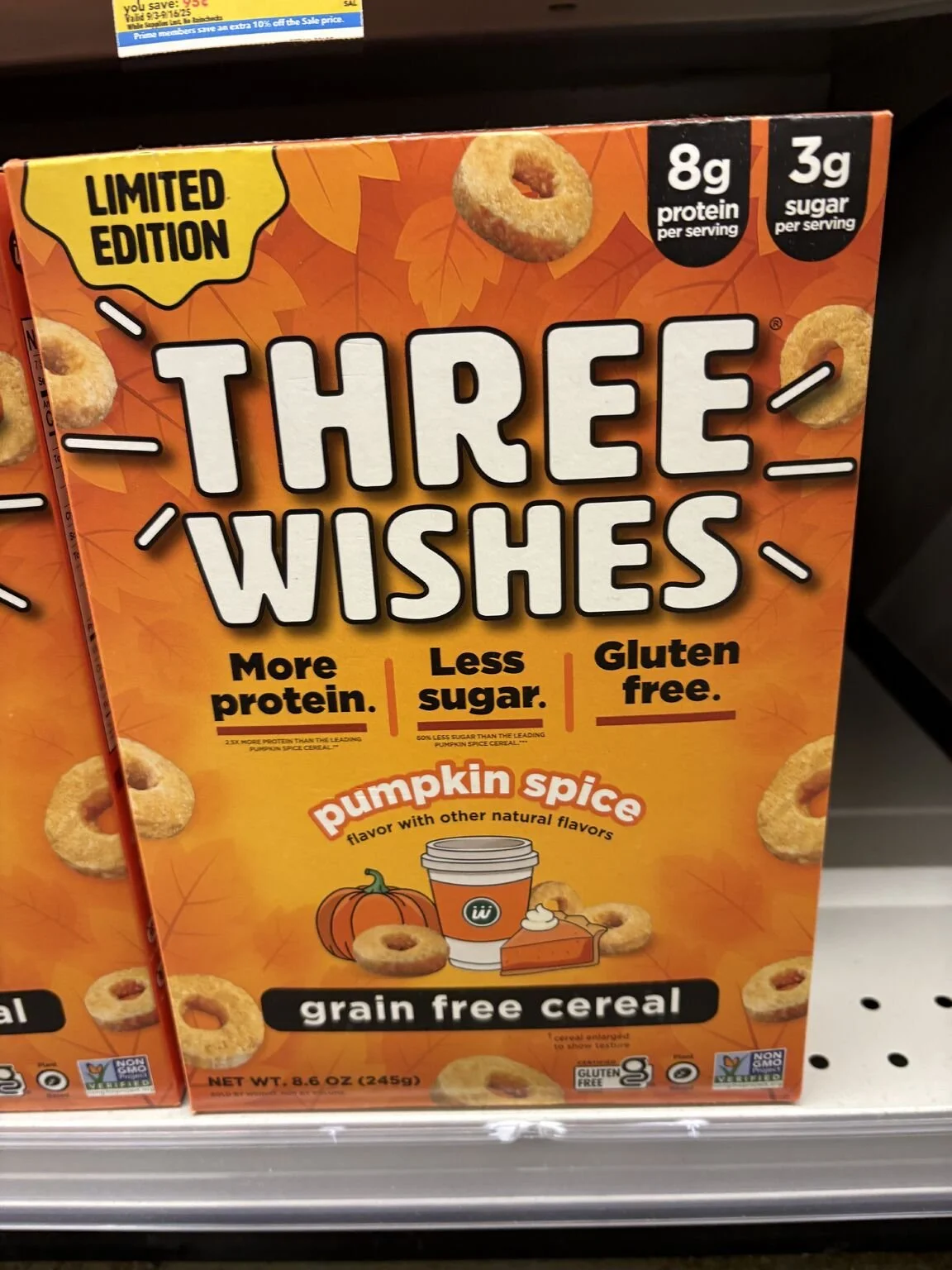
🍁 Three Wishes Cereal
Keeps its core design elements consistent, then plays within that structure by using a bold orange and subtle leaves to signal the season
🍁 Bobo's
Their seasonal oat bars use their signature typeface and change the background pattern to match the new flavor. The detail of the tan scarf is a nice change on the mascot!
Your brand's portfolio is a story told over time. When you design with cohesion in mind, every new product becomes a new chapter that strengthens the overall narrative
Strategic POV #5
Packaging and portfolio architecture for scale
How do you create cohesion & flexibility in a growing portfolio?
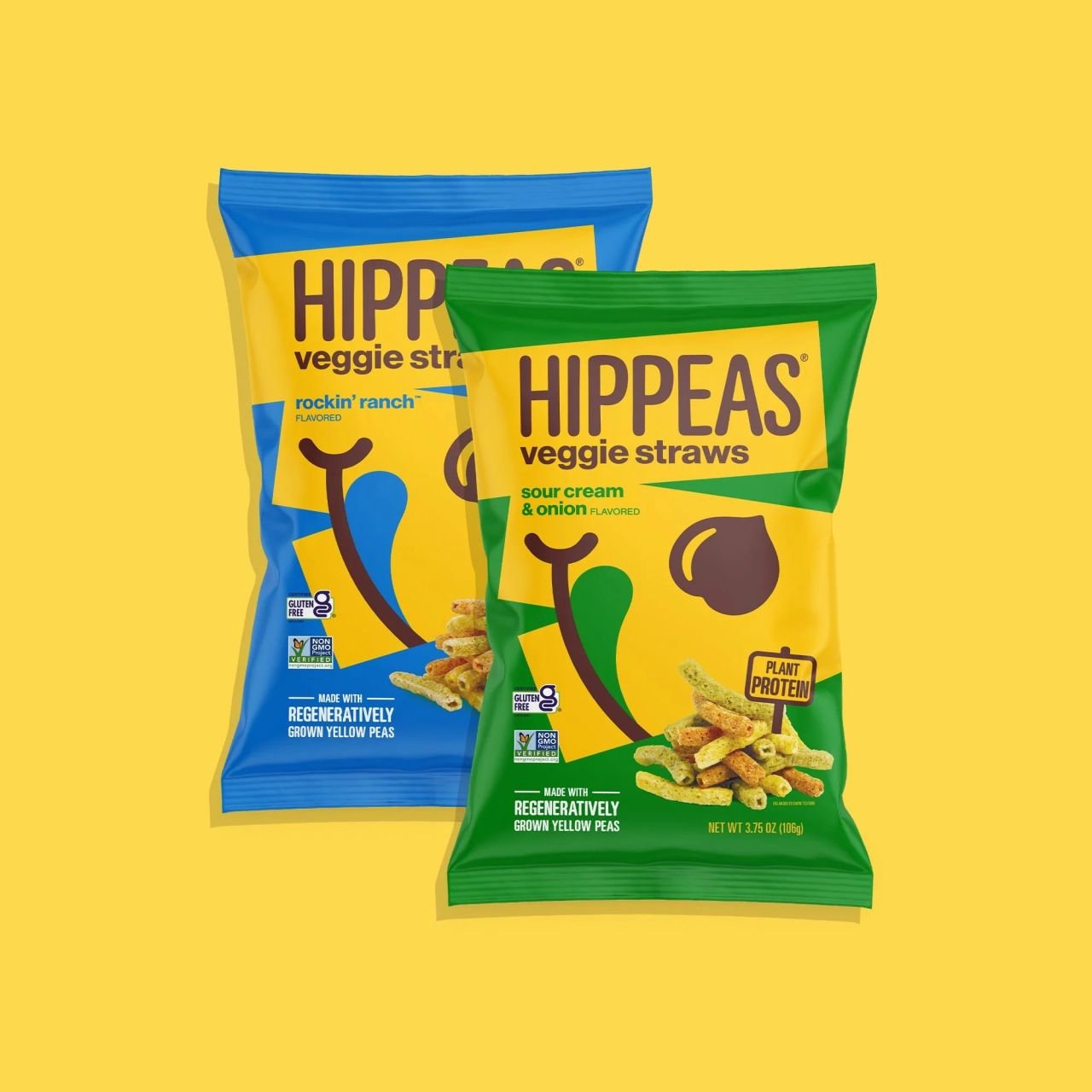
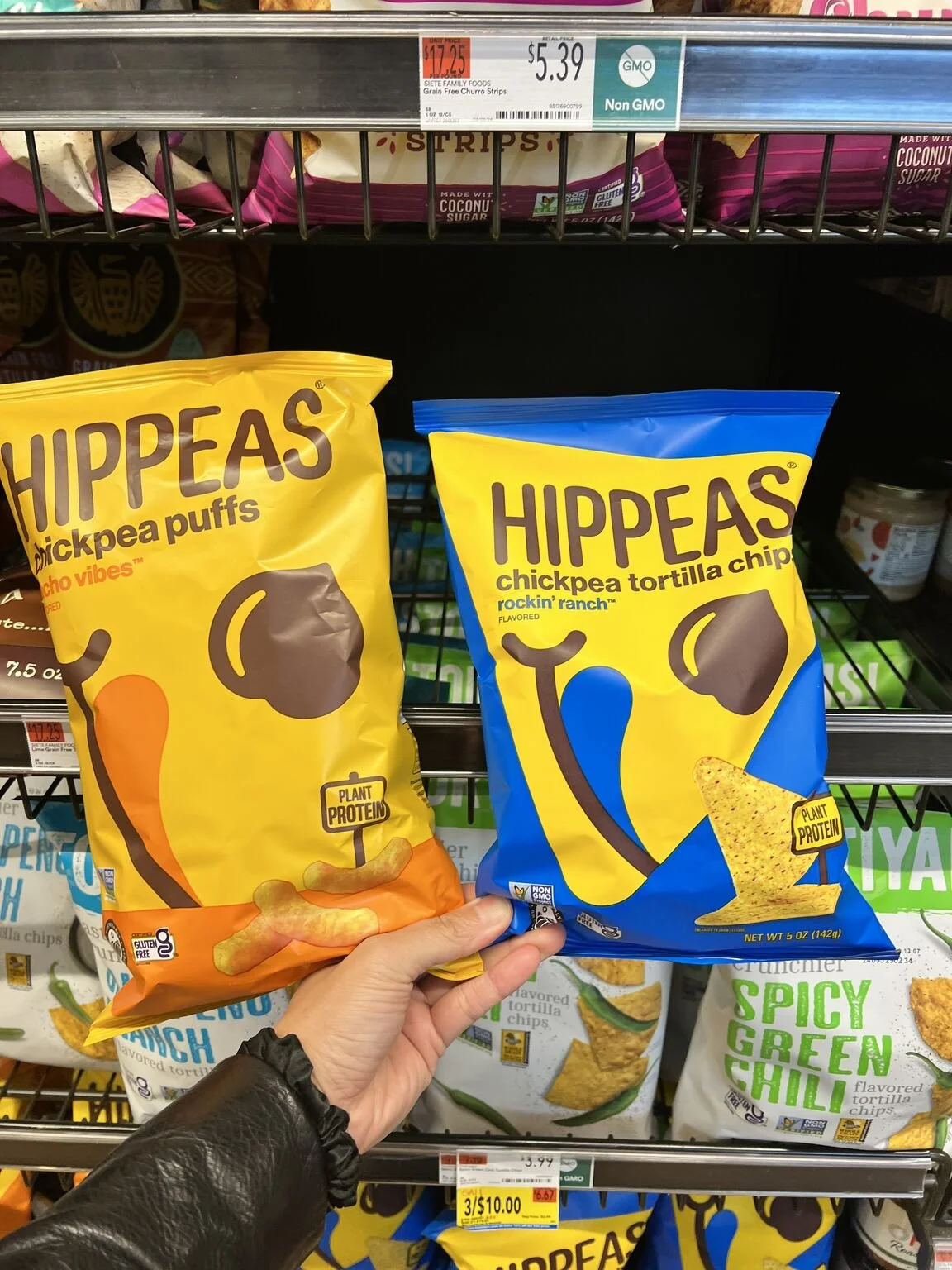
HIPPEAS Snacks is a great example of packaging architecture
Showing the power of a well-crafted design system that allows for flex and fun!
The brand's iconic chickpea smiley face serves as the foundation of their packaging architecture, providing a strong sense of unity while maintaining brand recognition
Notice the shapes that echo the product form:
🟩 Full yellow with varianting band for core
🟩 Triangle for tortilla
🟩 Rectangles for veggie straws
It's just SMART!
Even though some of their products sit in different aisles, there is still visual cohesion that helps consumers recognize the brand AND the different product offerings
How?
- yellow brand color
- big chickpea graphic eye and smile
- architecture
Strategic POV #6
How packaging systems scale with the consumer
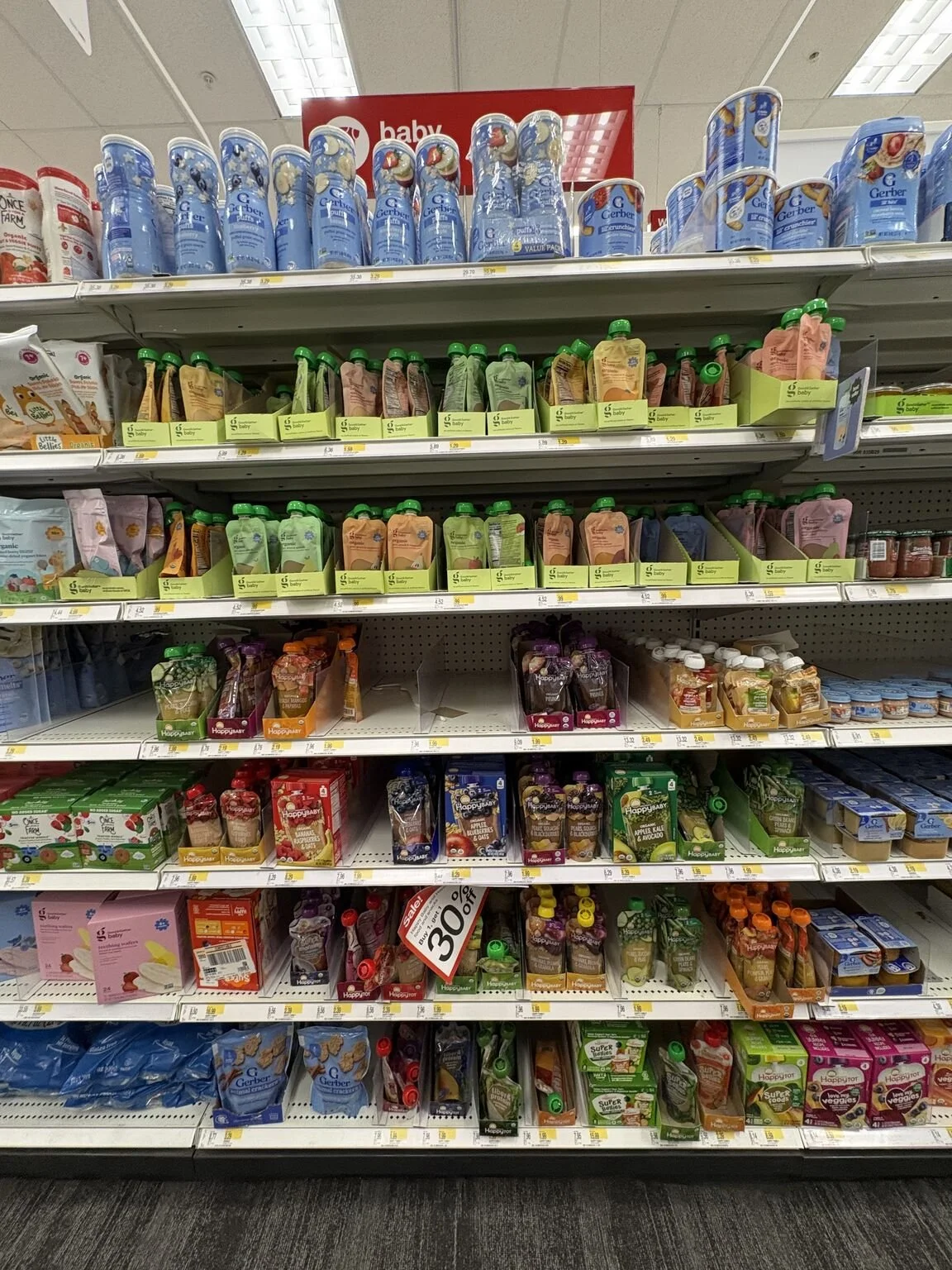
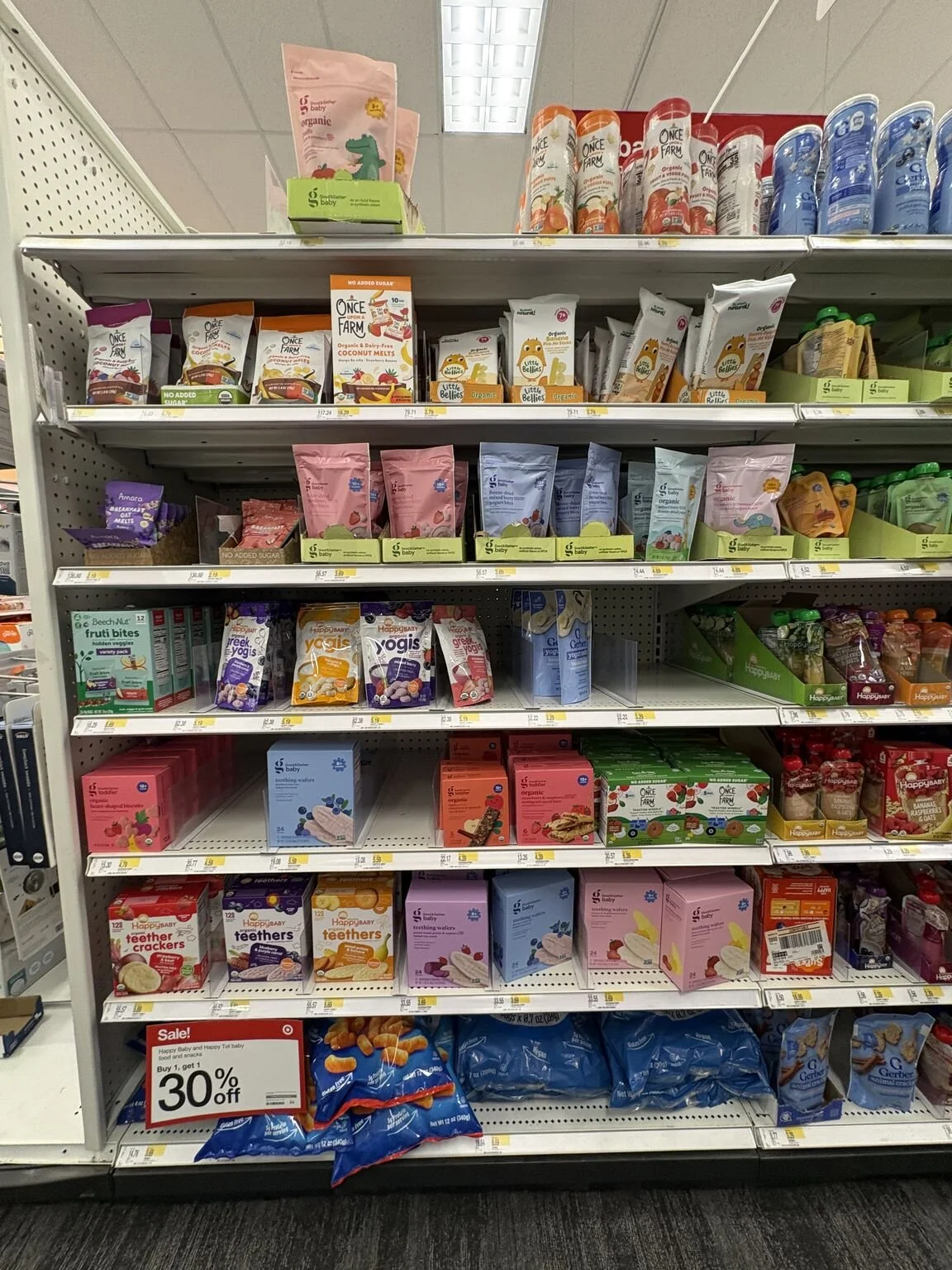
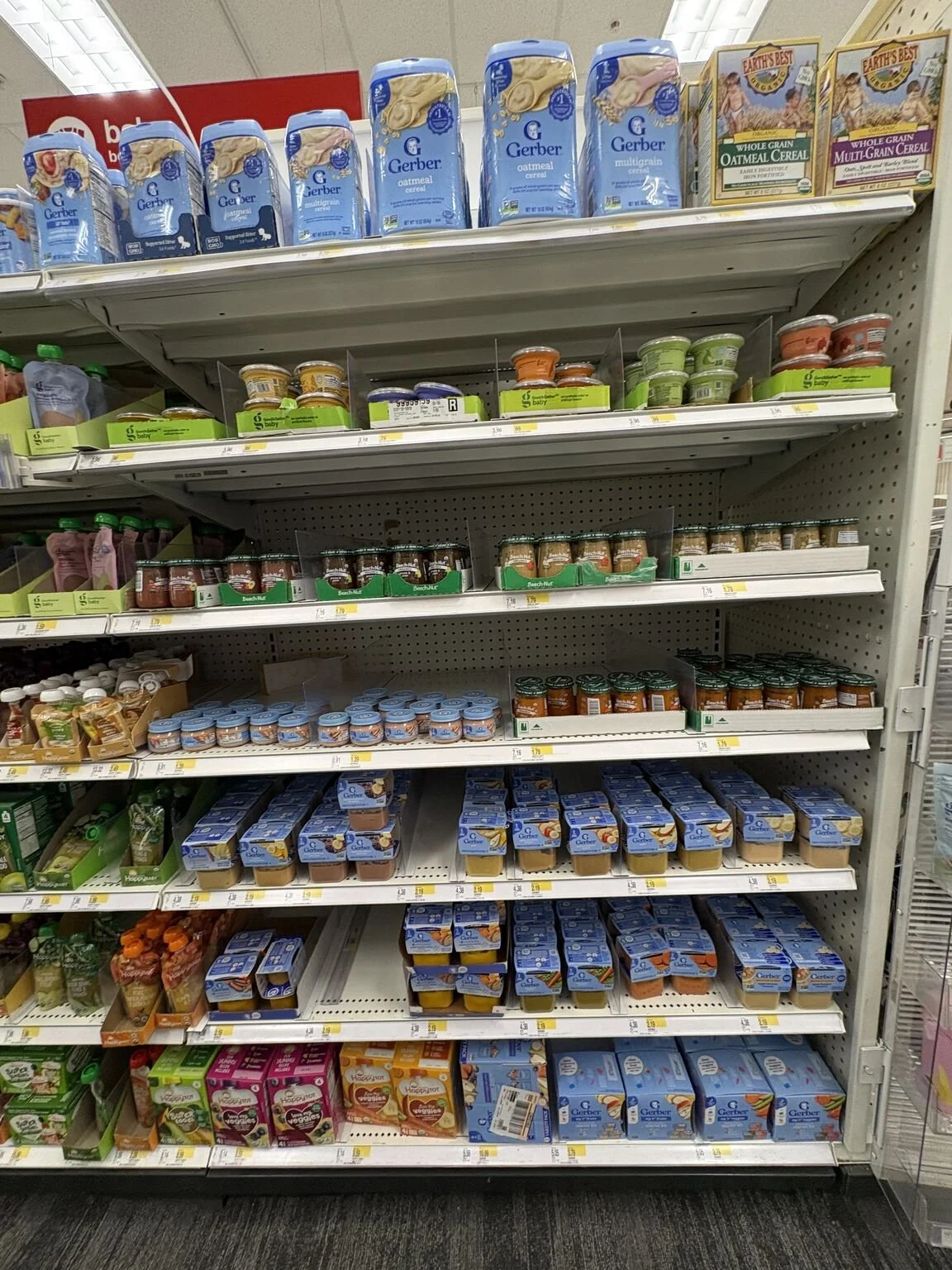
How does a packaging design system grow with the consumer? Walk down the baby food aisle, and you’ll notice that the exact same brand can look completely different depending on the shelf
On one end, you have infant nutrition like purees from Beech-Nut and Gerber. The design language is quiet, calm, and focused on safety creds
Since the parent is doing all the feeding at this stage, the packaging focuses on reassurance. A few feet away though, you get toddler snacks like Gerber Puffs, Little Bellies, or Amara Breakfast Oat Melts
The consumer behavior changes here. The child is developing motor skills and learning to eat on their own, and it's where brand architecture faces its biggest strategic test. If the entire portfolio looks too clinical, it doesn’t appeal to toddlers looking for fun
If it goes too loud and cartoonish, it risks losing the trust needed to win over a nervous parent buying purees (while trying not to feel guilty that they aren’t making it themselves)
The smartest portfolios establish a few unbreakable design anchors that don't change, like logo placement or a distinct pack architecture
These anchors build recognition. From there, other visual assets can flex
Infant packaging tends to be about purity and simple ingredient stories. As the child ages up into toddler snacks, the masterbrand elements dial back, giving way to playful illustrations, vibrant color blocks, and bite sized food photography to tell the story
This is where a thought out identity system really sings- building a trusted visual ecosystem that’s able to guide the parent through each developmental milestone and extend that trust beyond a few weeks of baby food to years as the kiddo grows
Some categories really have a unique opportunity to capture a consumer to help support their needs as seasons of life change. And if done right, you’re lowering CAC over time.
So it's very interesting to think about how a brand flexes visually to support that journey. Femcare is one that I think of- pads to tampons to incontinence….or dog food is another one that has to solve for different stages- from puppy to senior.
03. Fighting the category leader
Strategic POV #7
Structure as a distinctive asset
ow do you stand out when your primary brand color is the same as your competitors?
The hardest balance in design is making something feel novel without triggering fear
We think we want new, modern design- but consumers ultimately buy what feels safe and familiar
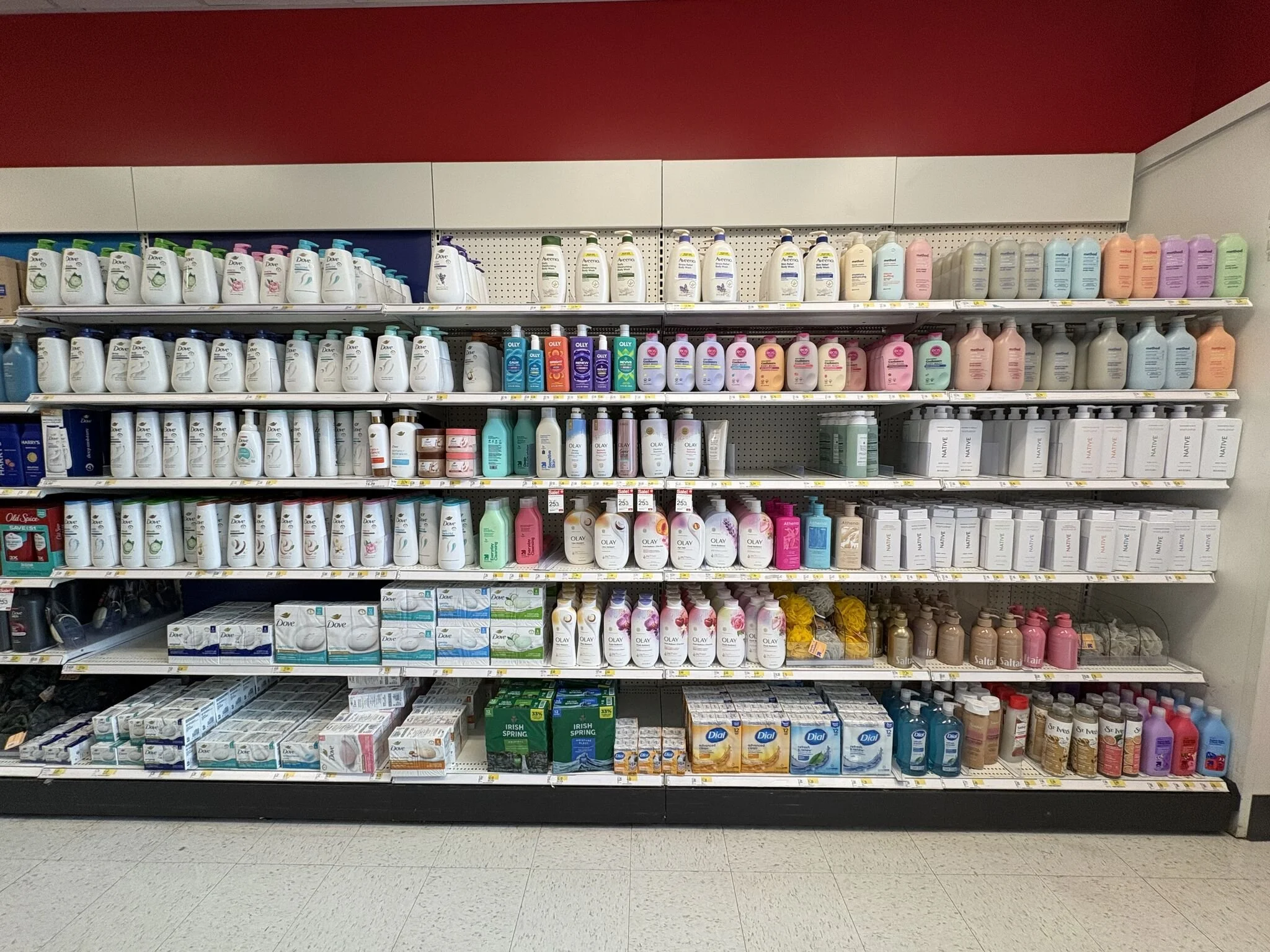
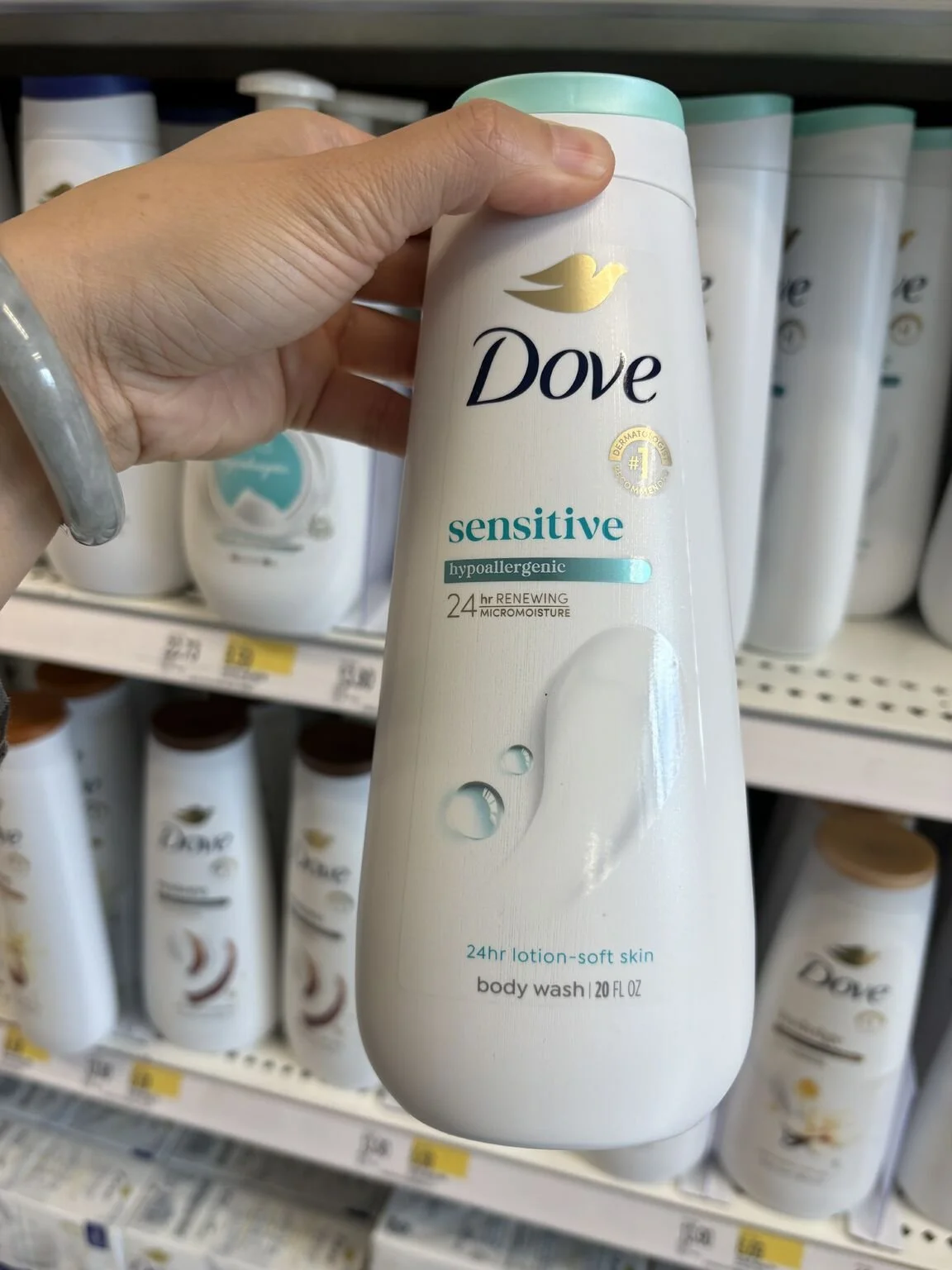
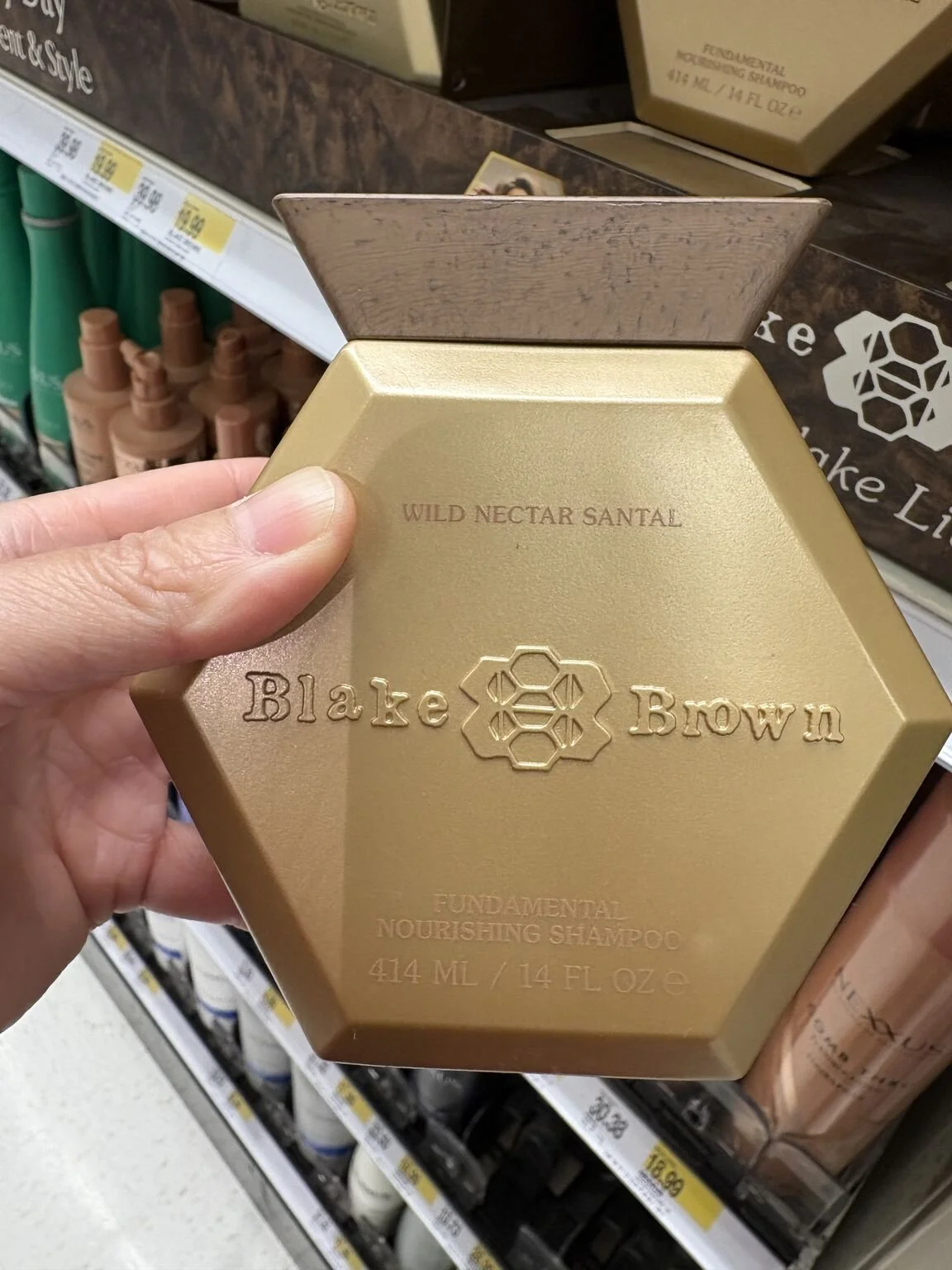
Walk down the personal care aisle, you see this tension play out category leaders like Dove and Olay create a wall of white, with Native following suit
Knowing that white is not going to change for any of these brands who have built equity with that, we look at how other levers are being used to create differentiation
Unique structural silhouettes can break up the visual grid. Tactile finishes can communicate formula texture and signal premium
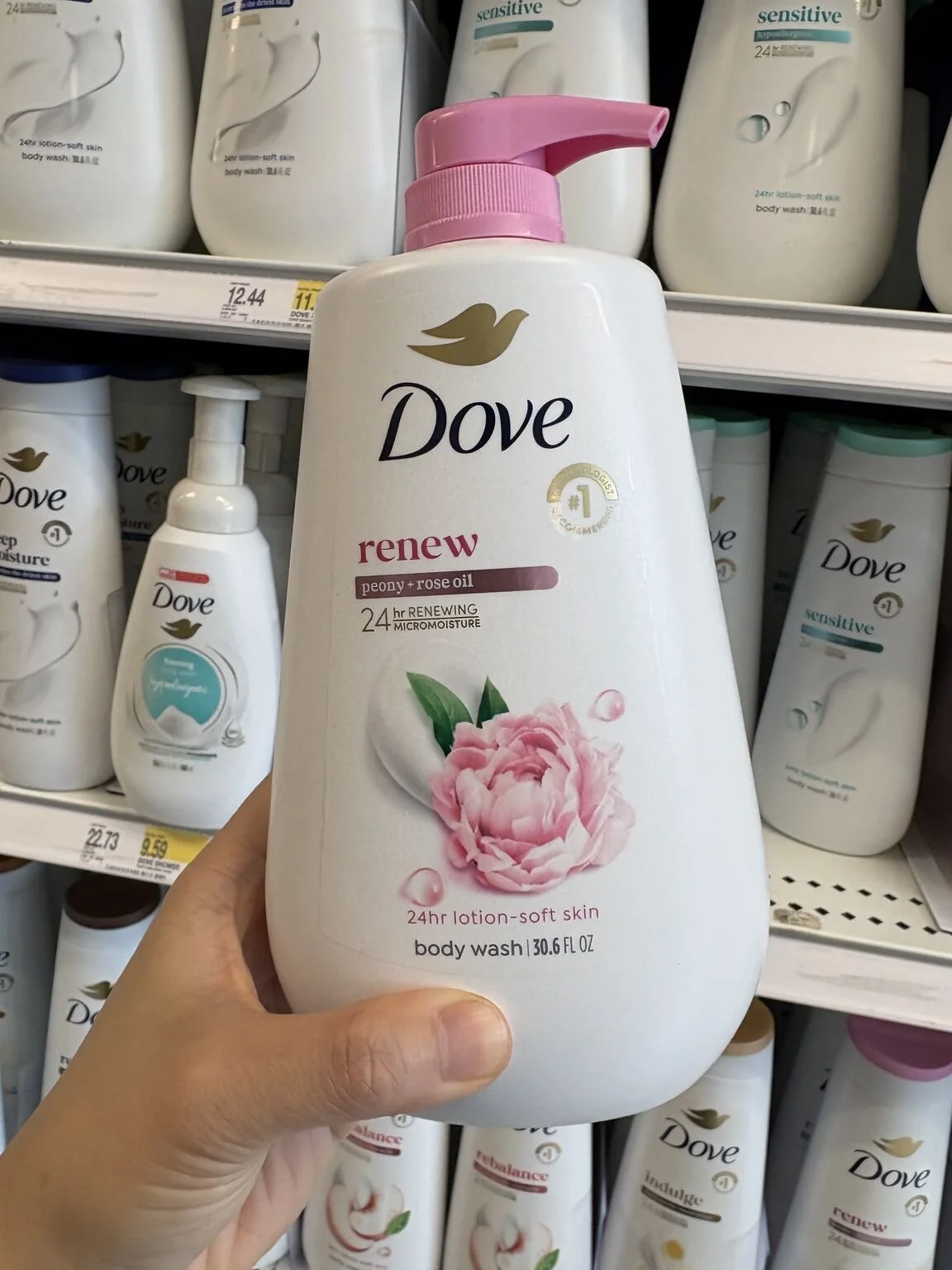
Dove uses white to reinforce skin trust, but anchors on its iconic teardrop silhouette for instant recognition
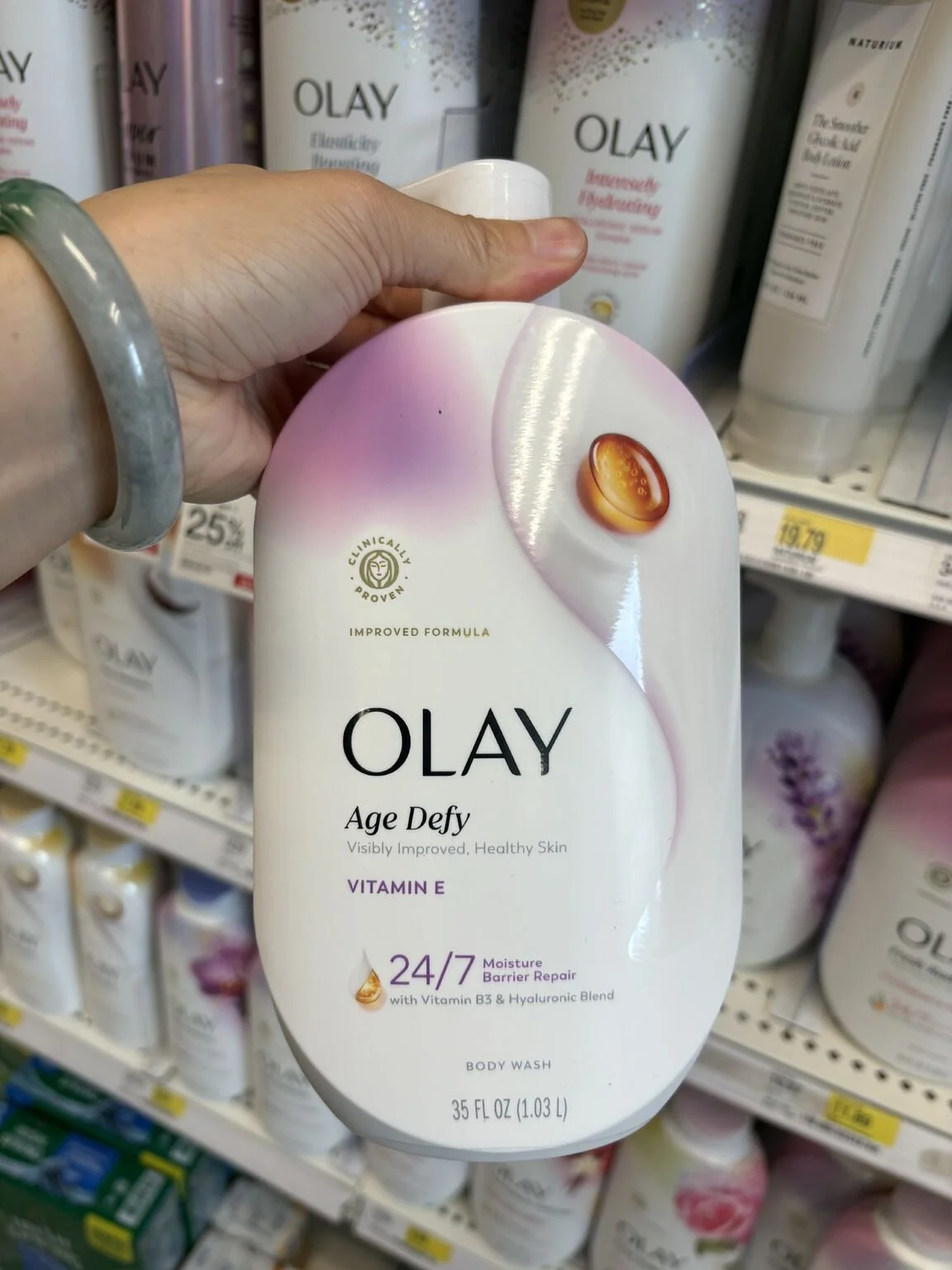
Olay uses metallic accents and elevated pumps to signal high-performance, prestige formulas
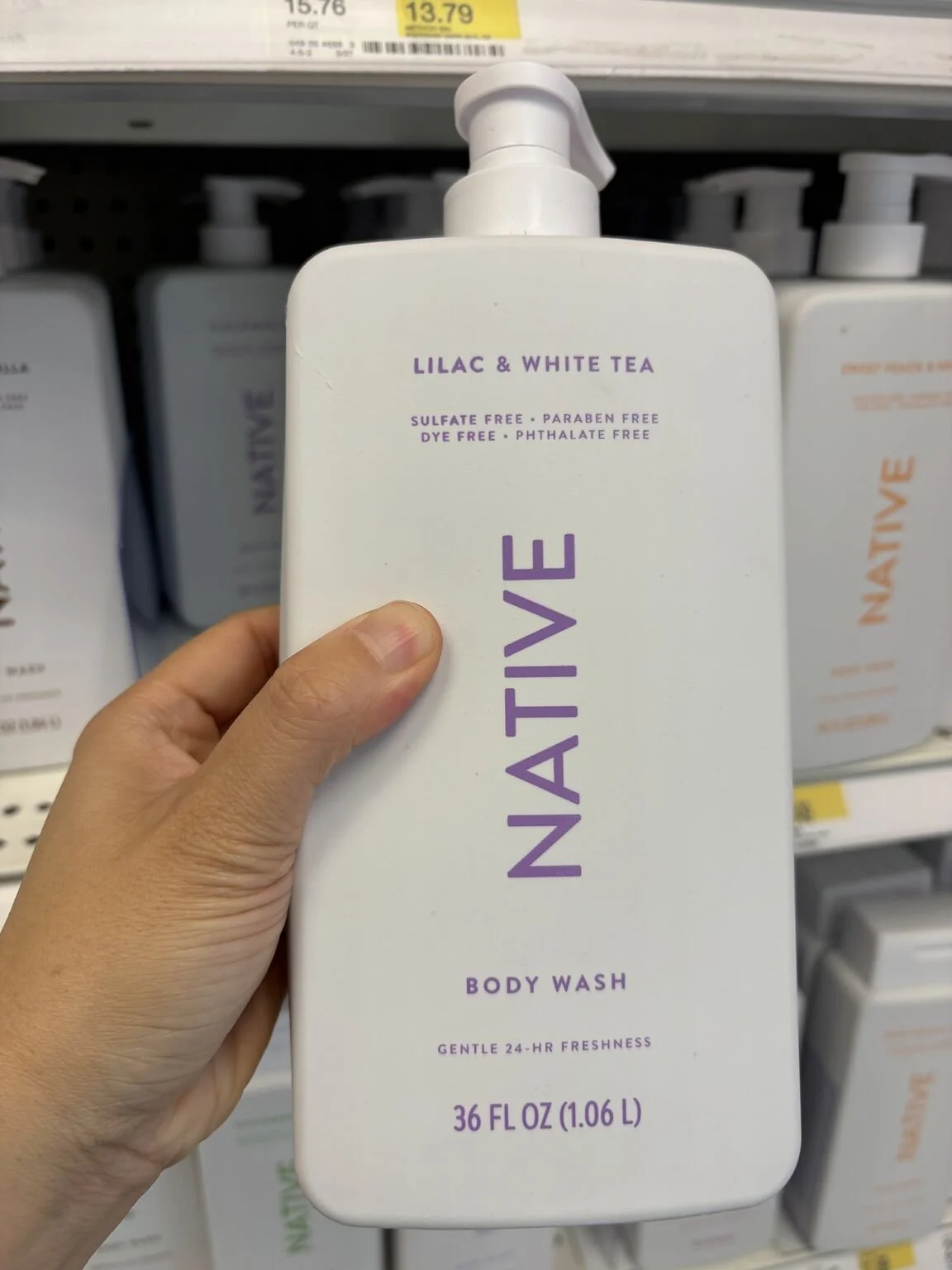
Native uses white to signal clean ingredients, but breaks the vertical shelf grid with it’s sharp, architectural block form
These brands protect the color cue that drives consumer confidence, while letting structural form do the heavy lifting of standing out
When protecting brand equity, know which lever keeps you trusted, and which one gets you noticed
Strategic POV #8
The psychology of shape
We've all been there. "Can you pick up more (insert product) while you’re out". It's (X color) and shaped like (X shape)
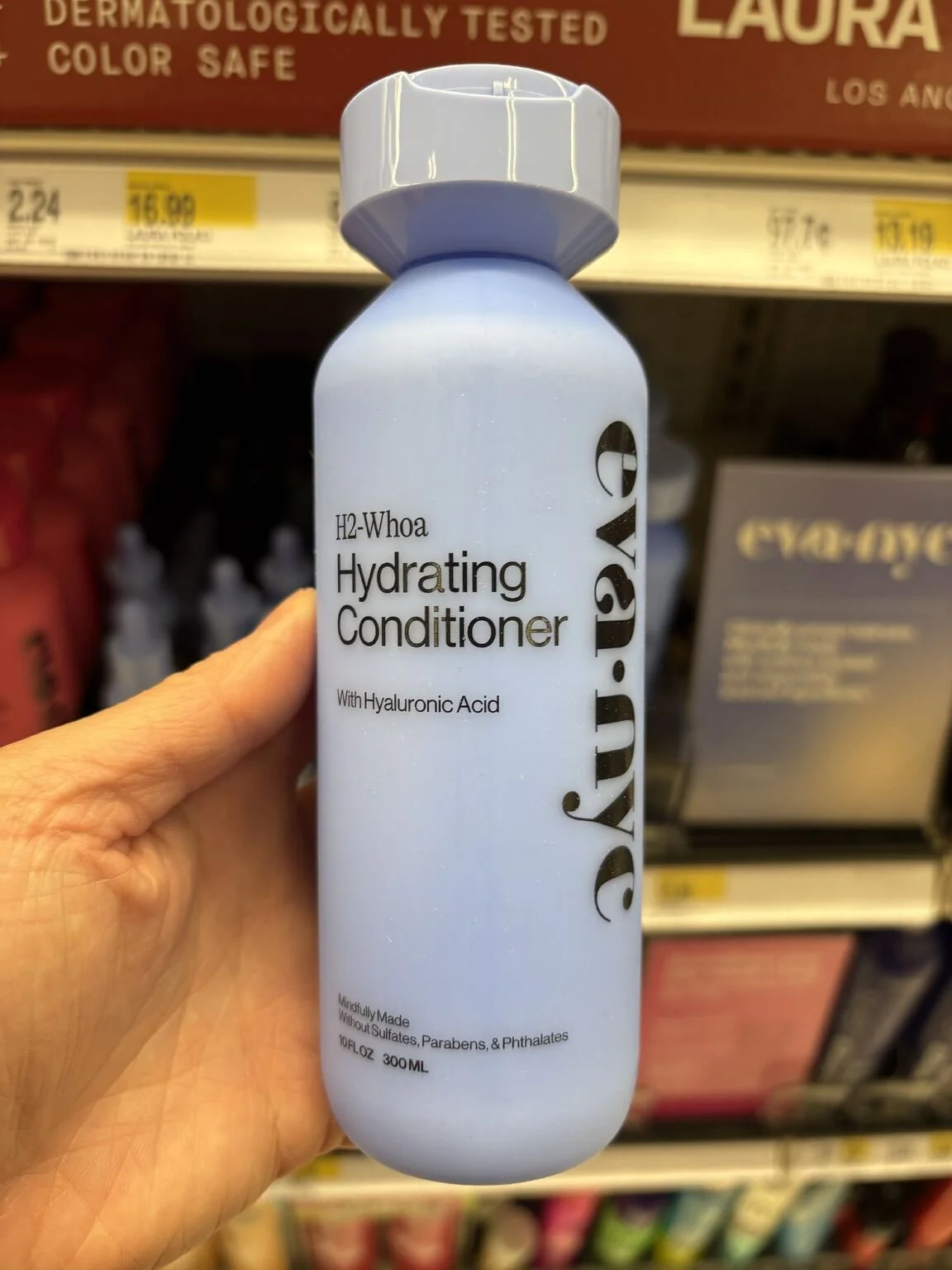
Why do we describe products this way? Because our brains process shapes and colors long before text
When scanning a shelf, it’s hard to look for a brand name. It’s a lot easier to search by shape and color. Our brain is looking for visual cues- it's neuromarketing at play
🧠 Shapes first
Our brains are hardwired to recognize shapes. Beyond recognition, it’s what the shape tells us subconsciously-
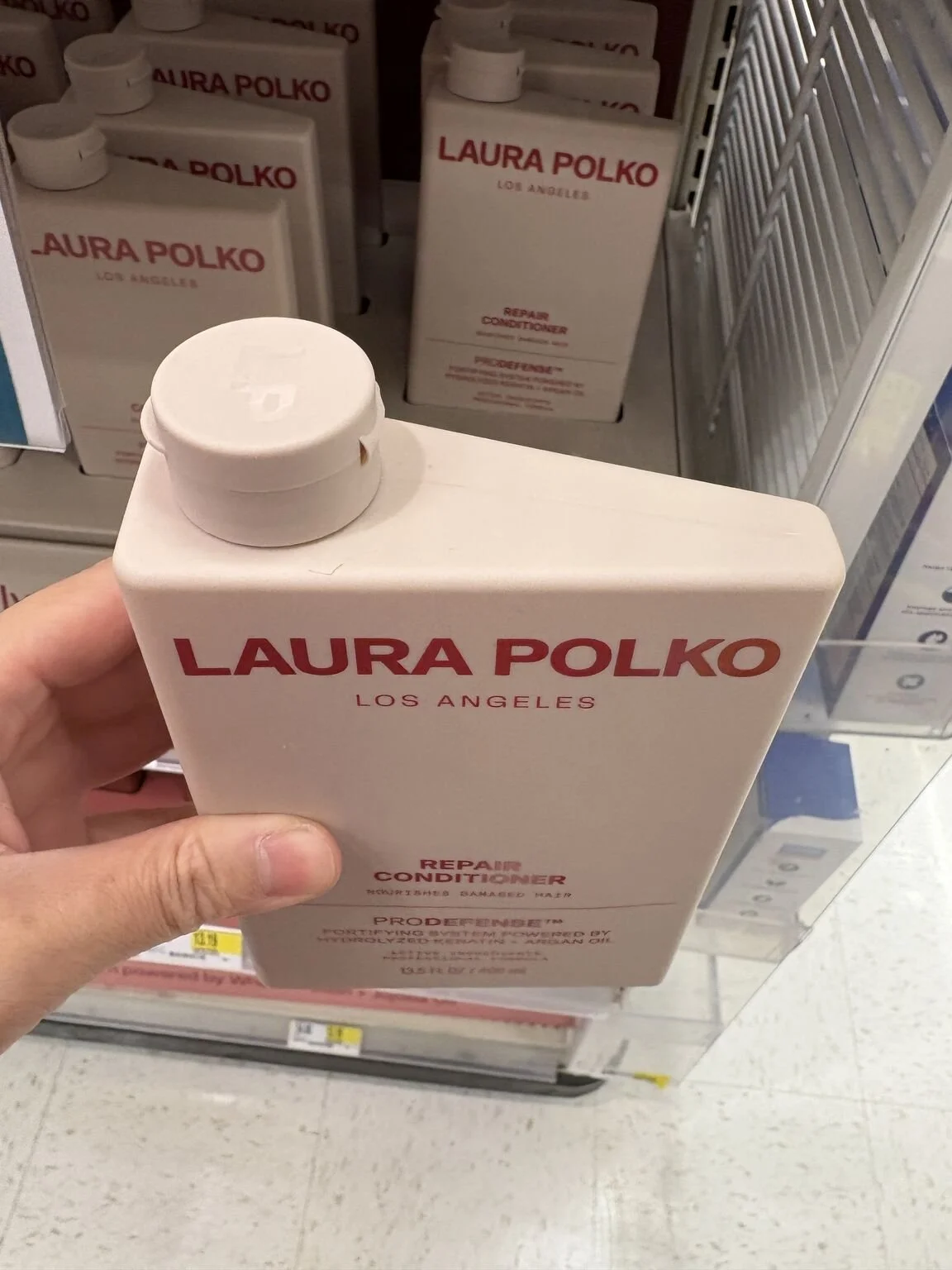
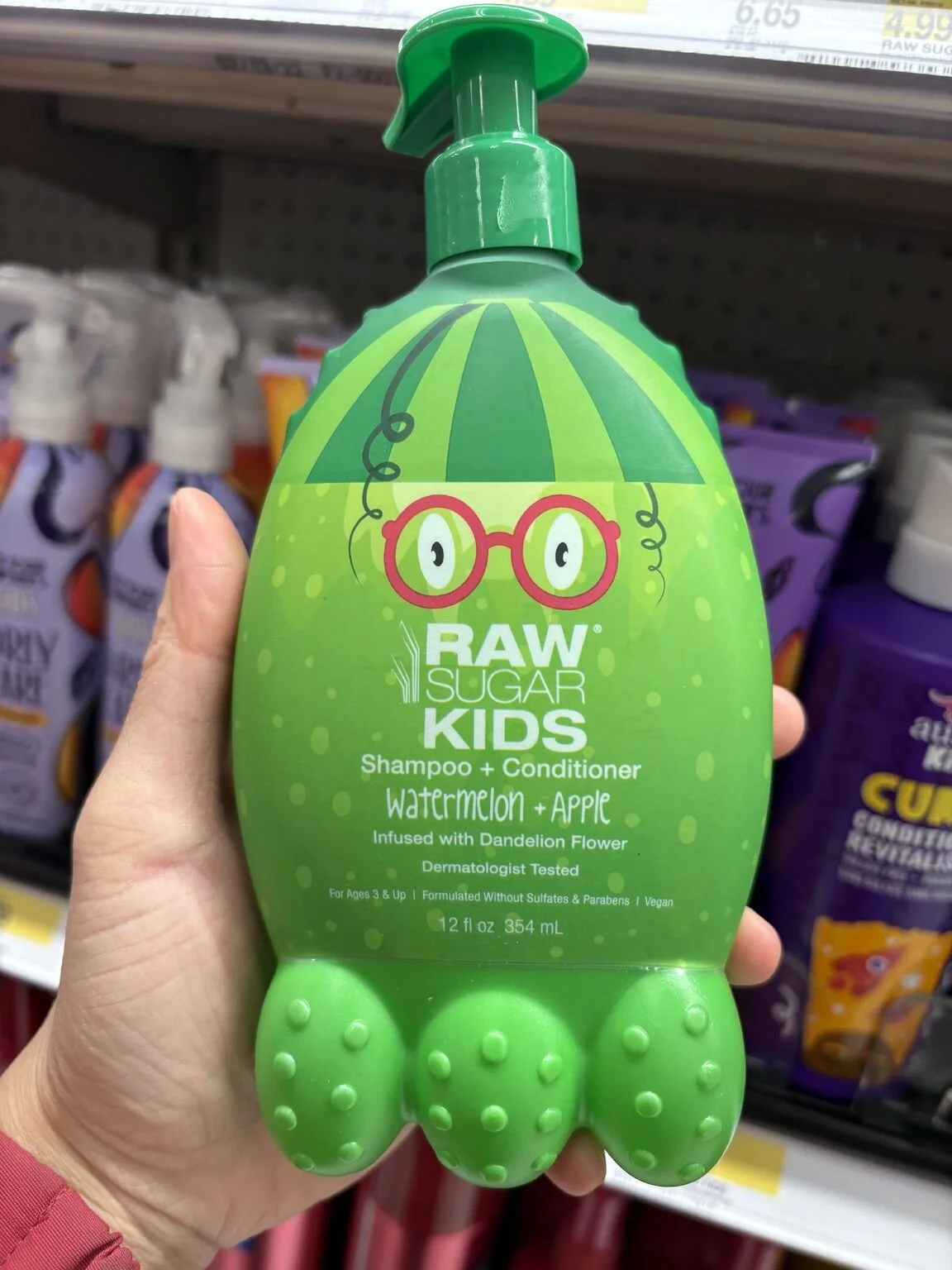
Way before we even consciously think about the product's name or benefits, ie the animal shaped bottles of Raw Sugar Kids communicate fun and kid friendly. Laura Polko tells me sleek and sophisticated
🧠 Colors second
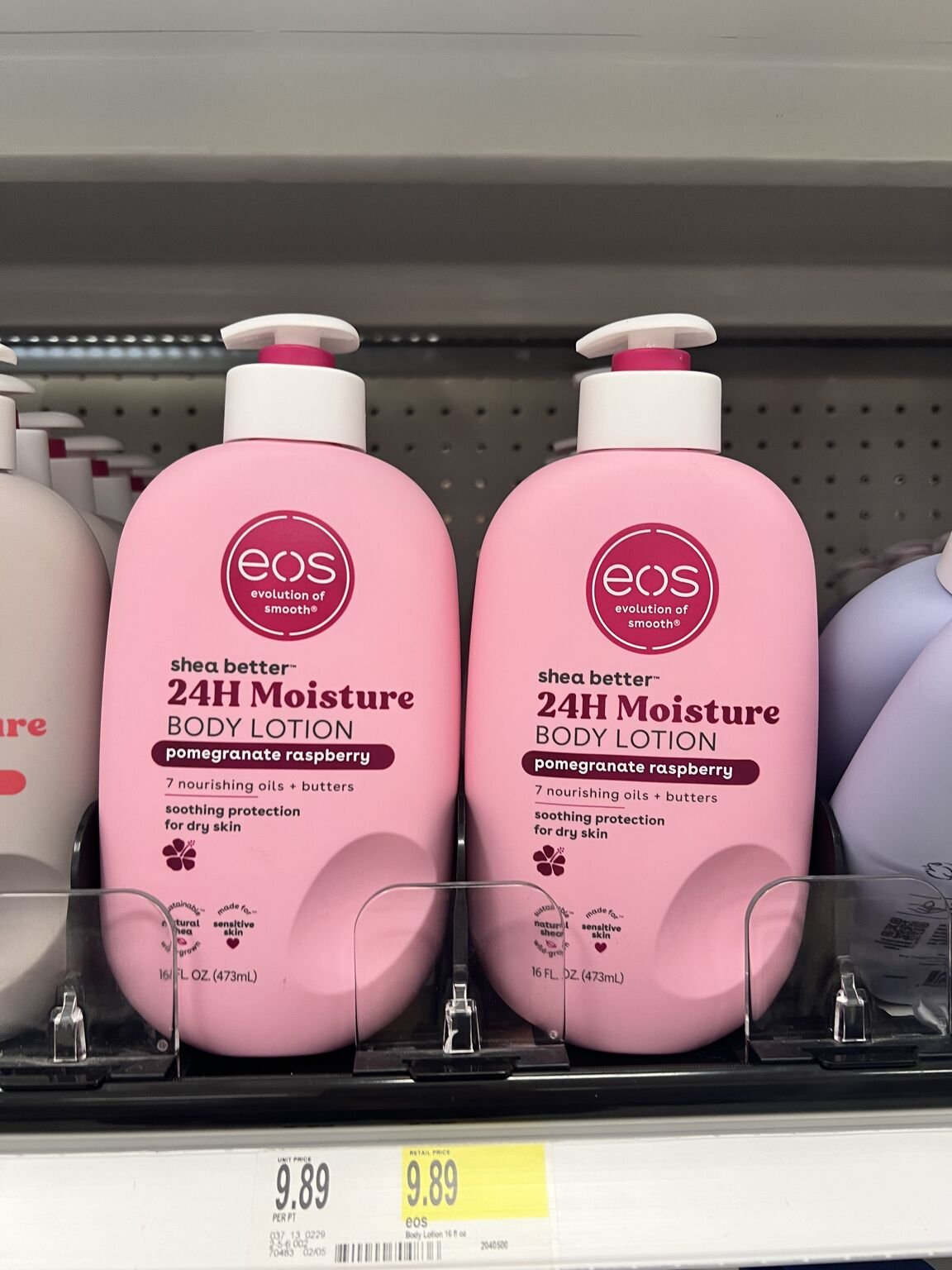
Colors trigger emotional responses and act as memory shortcuts. They can signal brand, flavor, and even value tier
🧠 Words Last
Only after these fundamental visual cues are processed do our brains start to read and understand words
The hard truth is: text requires a lot more brain power and if the initial visual impression isn't strong enough to grab attention, those carefully crafted words might never get read
On a shelf full of choices, your product's form factor and color aren't just pretty packaging. They're the fastest, most impactful way to connect with consumers
By building intuitive recall, signaling category and evoking emotion- all before a single word is read
The silent language of shapes and colors drives recognition, which translates directly to reduced cognitive load for consumers and higher shelf velocity in return
Strategic POV #9
Own your color strategy
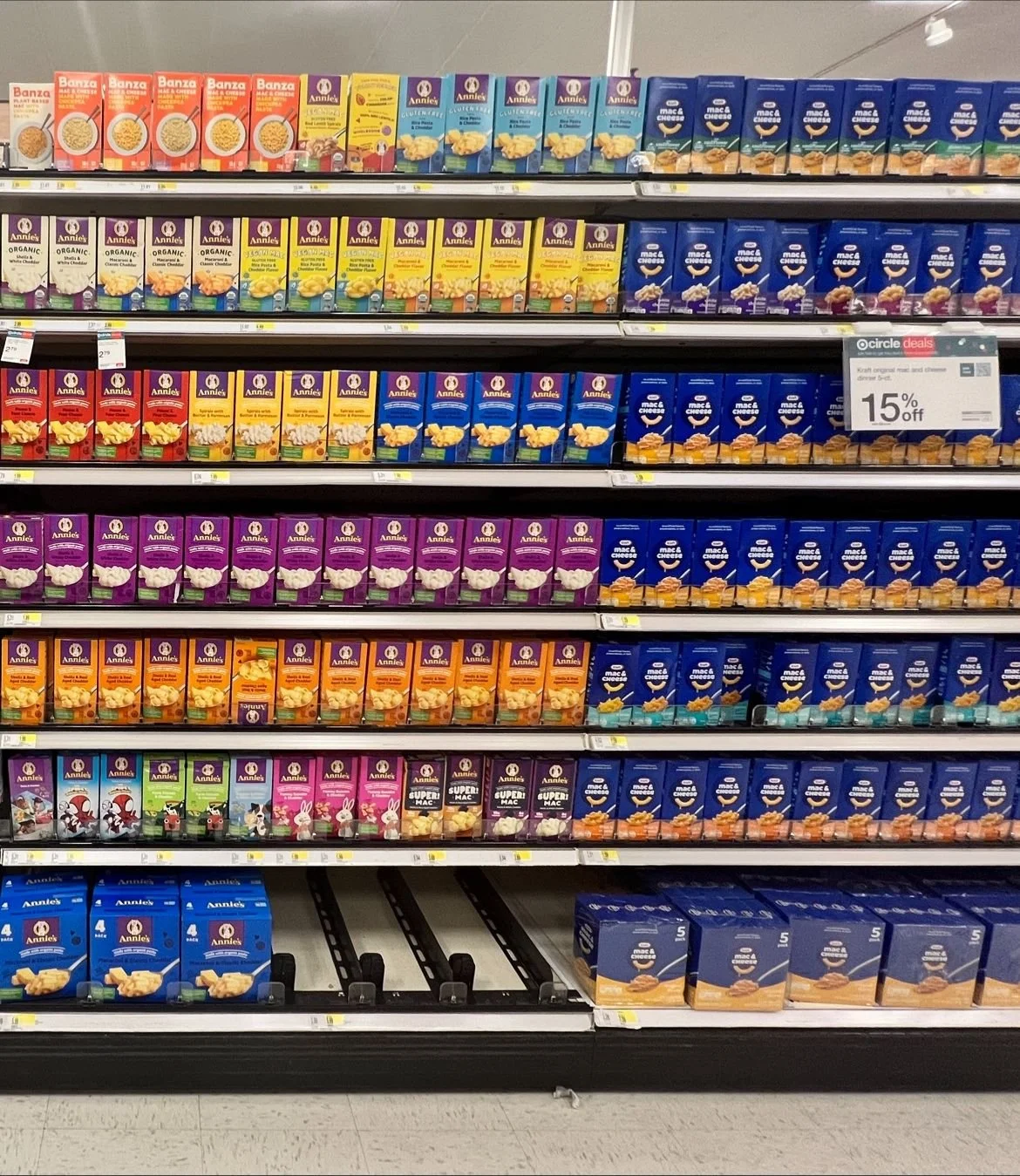
Annie’s vs Kraft: 2 different color strategies that work!
When a consumer is asked to describe a brand, one of the first things they say is color. One thing I’ve been noticing lately is how a lot of brands default to using white logos on big fields of variant color
Relying heavily on flavor/variant colors on packaging can create a chaotic shelf presence. Not to mention- depending on the number of SKUs in a portfolio, you’re bound to run out of distinctly different colors
Here’s where color strategy comes in:
💜 Increased Brand Recognition
Consistent color makes a brand recognizable, even from a distance
💜 Emotional Connection
Colors evoke emotions- make sure it ties in with the positioning
💜 Clear Communication Hierarchy
Help consumers navigate- make it easy for them with color
Find ways to build brand equity via color. Owning a color goes beyond aesthetics
It fosters brand loyalty and trust